Table of Contents
Applying for a New Electricity Connection in Pakistan: The Complete Process
Whether you have built a new house, bought a plot, opened a shop or moved into a rented property without a meter, you will need a new electricity connection from your local distribution company. The process is not complicated, but missing a single document can delay it by weeks.
This guide walks you through the documents you need, the step-by-step procedure, what to expect in terms of costs and timelines, and what to do once your meter is installed. It applies to all major distribution companies, including LESCO, MEPCO, GEPCO, IESCO, FESCO, PESCO, HESCO, QESCO and SEPCO. K-Electric follows a similar but separate process in Karachi.
Types of Connections
Your connection category decides the tariff, the fees and the paperwork:
Domestic (Residential)
Houses and apartments. Usually a single-phase connection for ordinary household load.
Commercial
Shops, offices, clinics and small businesses. Higher tariff than domestic connections.
Industrial
Factories and workshops. Usually three-phase, with additional technical requirements.
Agricultural
Tube wells and farm operations, with their own tariff and application rules.
Documents You Usually Need
Keep photocopies ready, and carry originals for verification:
- CNIC copy of the applicant (and sometimes of the owner)
- Proof of ownership such as registry, sale deed, allotment letter, or fard/property documents
- For rented property: tenancy agreement and a no-objection letter or ownership documents from the landlord
- Recent passport-size photographs
- Completed application form (available at the office or on the company website)
- Wiring test report from a licensed electrical contractor, confirming your internal wiring is safe
- NOC from the housing society or authority, if your property is inside one
- Site plan or sketch showing the premises, when requested
Step-by-Step Application Process
- Get your wiring ready. Hire a licensed electrical contractor to complete and test your internal wiring and obtain the test report.
- Obtain and fill in the application form. Download it from your distribution company's website or collect it from the sub-division or customer service centre. Some companies also accept applications through online portals.
- Submit with documents. Submit the form and all documents to the sub-division office serving your area, and ask for a receipt or application number.
- Site inspection. A company representative visits your premises to verify the location, load and nearest supply point.
- Demand notice. After approval you receive a demand notice stating the amount to be deposited (connection charges, security deposit and other fees).
- Pay the demand notice. Pay through the designated bank or approved channel and keep the receipt. See Electricity Bill Payment Methods in Pakistan for general payment options.
- Meter installation. After payment, the company installs the meter and energises the connection.
- Receive your reference number. Your first bill will carry your 14-digit reference number, which you will use for all future bill checks and payments.
Understanding the Costs
Exact amounts depend on your company, load requirement and connection type, so always rely on your official demand notice. In general, the charges include:
| Charge | Purpose | Refundable? |
|---|---|---|
| Security deposit | Held against unpaid bills | Generally adjustable/refundable when the connection is closed, subject to rules |
| Service connection charges | Cost of connecting your premises to the network | No |
| Meter cost | Supply and installation of the meter, where applicable | No |
| Application / processing fee | Administrative costs | No |
How Long Does It Take?
Regulators set expected timelines for new connections, but real timing depends on your location, whether a transformer and poles are already nearby, and how complete your documents are. A connection close to existing infrastructure can be completed relatively quickly. If new poles, cables or a transformer are needed, expect a longer wait. Follow up regularly with your application number and, if the deadline passes without action, escalate to the Executive Engineer and then to NEPRA.
Common Reasons for Delay
- Missing or unclear ownership documents
- No wiring test report from a licensed contractor
- Property disputes or missing society NOC
- Unpaid dues linked to the same premises
- No nearby supply point, requiring network extension
- Incorrect load or category requested on the form
After Your Connection Is Installed
- Note down your reference number and keep a copy of the first bill.
- Photograph the meter on the day of installation, including the opening reading.
- Check your bill online every month using our bill checker. Our guide to checking bills online explains how.
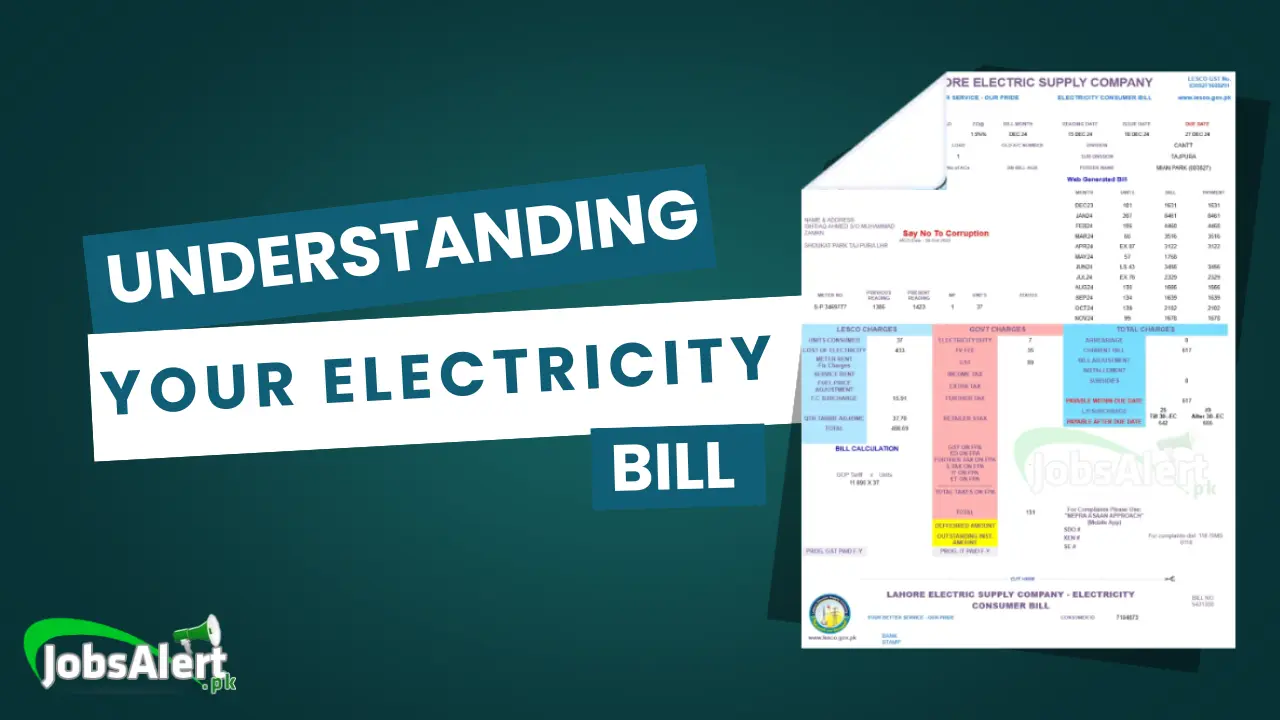
- Learn how the bill works in Understanding Electricity Bill Components.
- Keep your usage low from day one with the habits in 10 Effective Ways to Reduce Your Electricity Bill.
Related Services You May Need
- Change of name / ownership: required when you buy a property with an existing meter
- Load extension or reduction: when you add an AC, a tube well or machinery
- Category change: for example, converting part of a house into a shop
- Connection disconnection / permanent closure: when you leave the property, so you do not keep receiving bills
Conclusion
Getting a new electricity connection is mostly a matter of preparation: correct documents, a tested wiring report, the right category, and payment only through official channels. Keep every receipt and your application number, and follow up in writing if the timeline slips.



Comments
Comments are currently disabled for this article.